
App Description
Introduction
Dreamscape is a VR Google Cardboard meditation app for people to refocus their minds and relieve mental stress. Dreamscape creates a virtual scene of a hidden beach with combinations of different white noises: campfire, ocean, and the forest. Users can interact with the campfire and the clock by gazing to choose their favorite combination of noises. Rather than exploring the virtual world with excitement, Dreamscape provides an immersive virtual environment for users to meditate with no extra effort and disruptions.
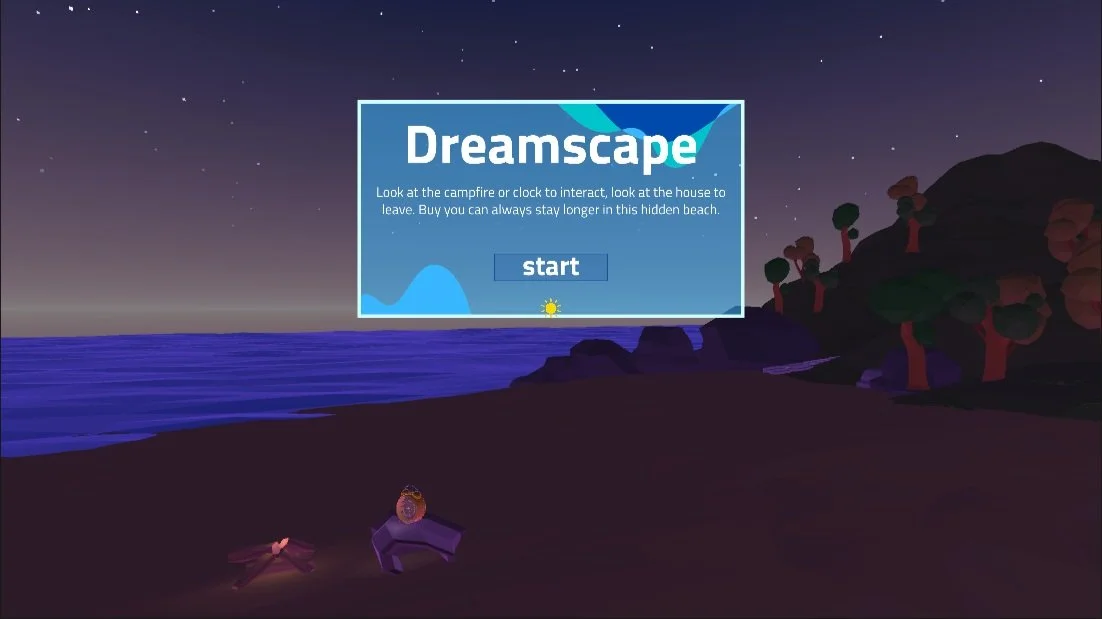
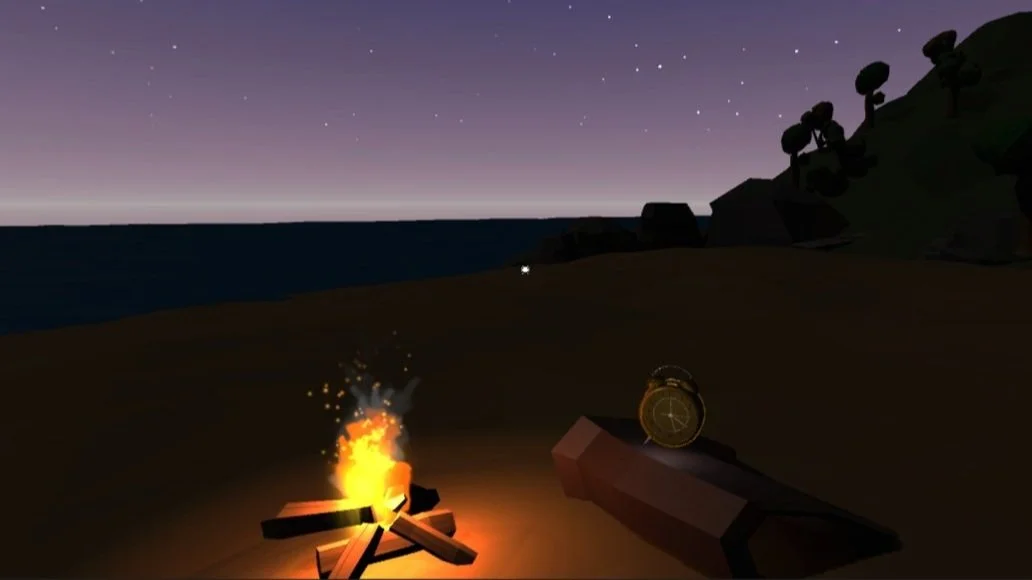
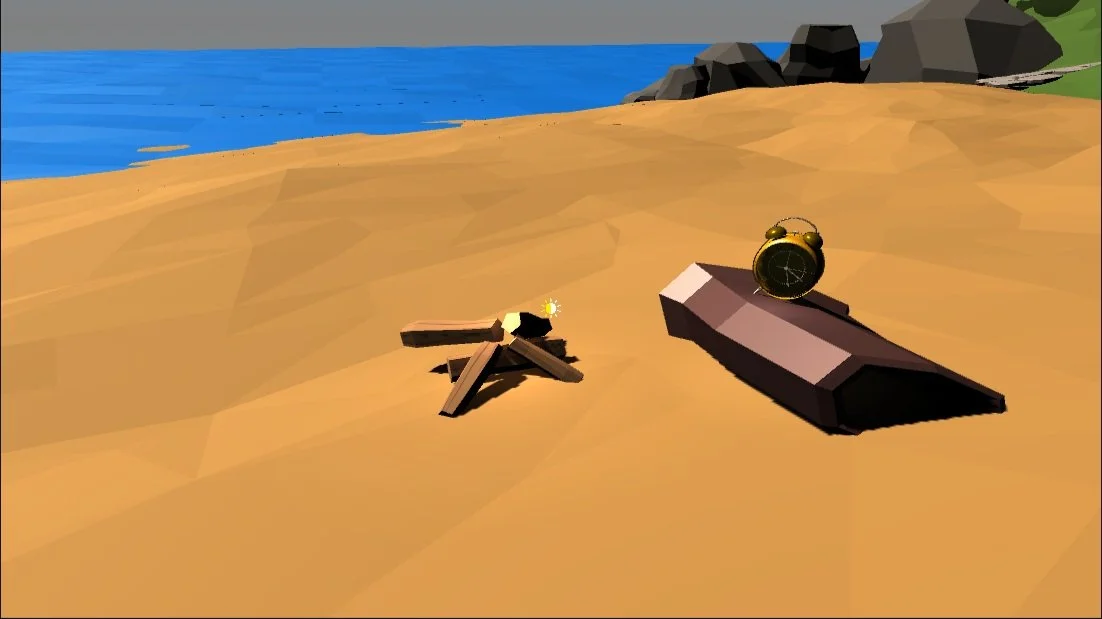

VR Interactions of Dreamscape
Visual Style
A low-poly art style is used in the app to generate a minimalistic scene. The low-poly style firstly appears in 1980 due to computer limitations. However, as O’caoimh mentioned in 2021, it has become more popular and it is regarded as digital impressionism. Therefore, the final product provides an aesthetic scene with lower requirements for running platforms. The general style of the environment is inspired by the mood board with several elements like the beach, house, and campfire. The aim of it is to create a calming and secure atmosphere on the hidden beach surrounded by mountains. Following Google Design Guidelines, interactive objects like the fire, clock, and quitting UI are placed in a comfortable UI depth from 1 meter to 1.5 meters. The interaction of the house is not obstructed by any other elements. The fonts and UI are iterated from a simple design system.
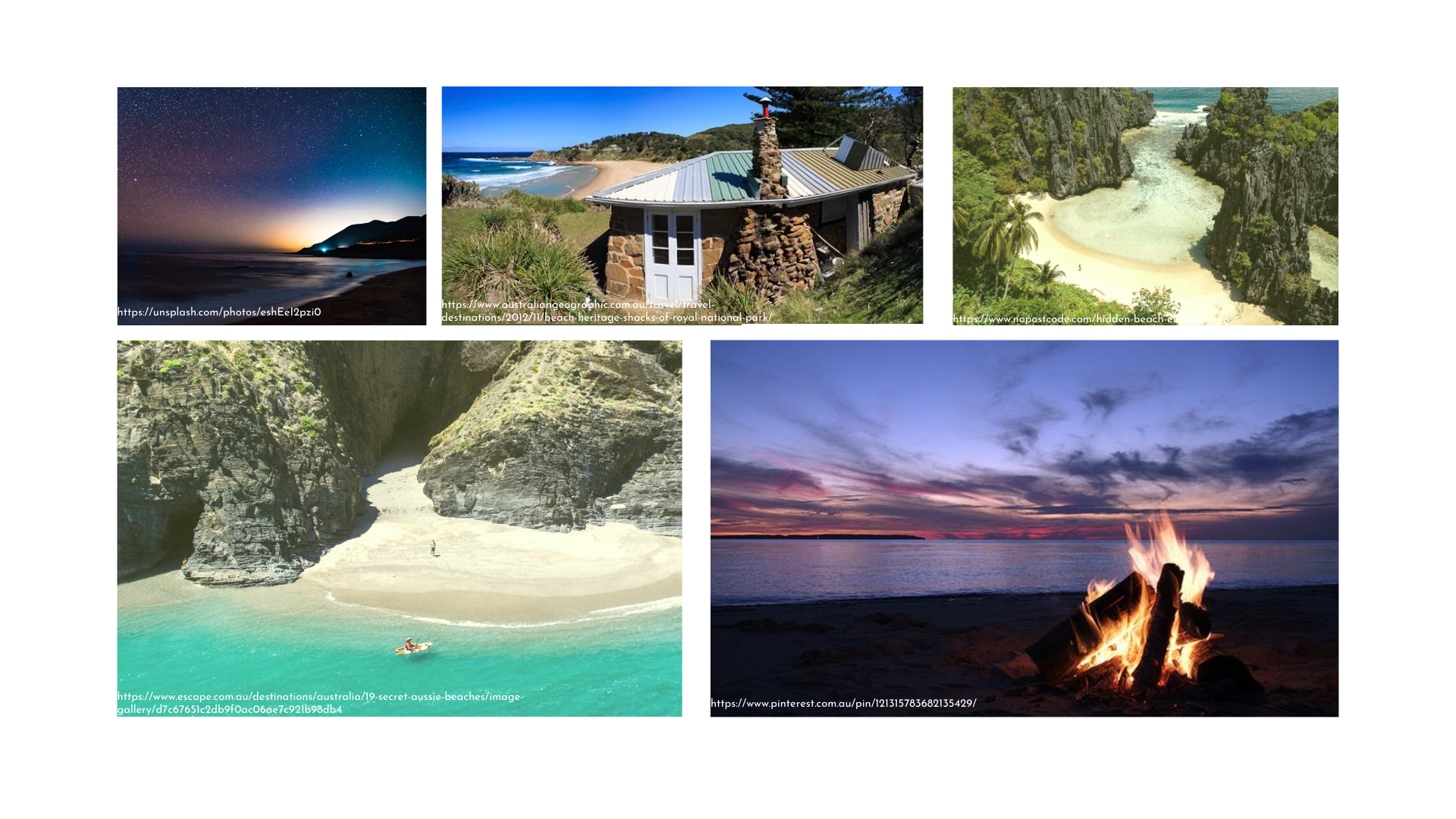
Moodboard
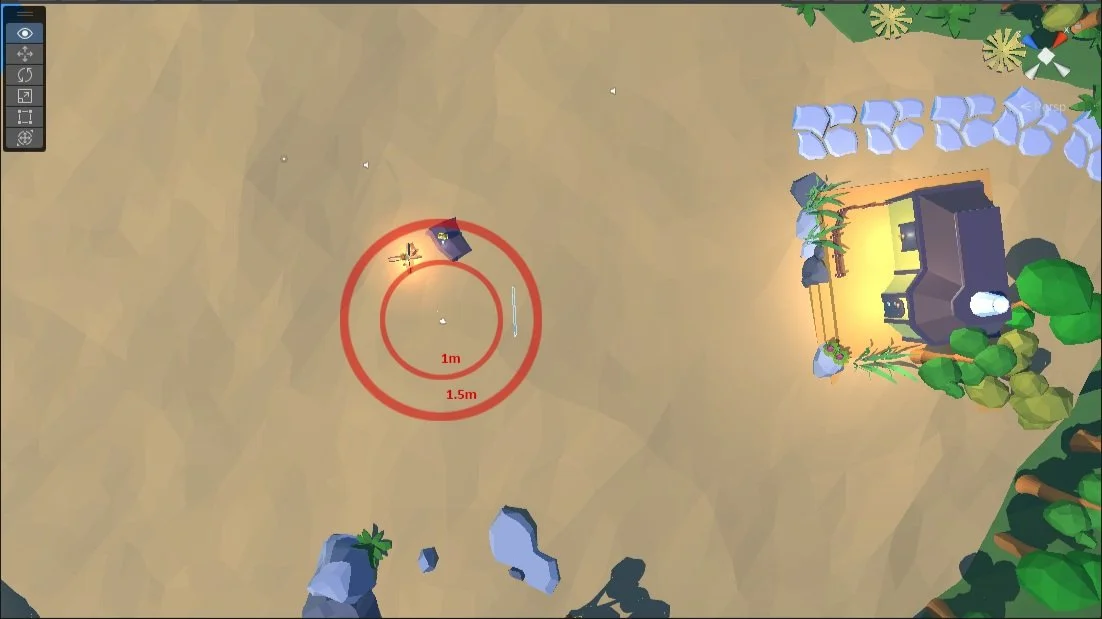
Google Guidelines Consideration
Design System Iterations
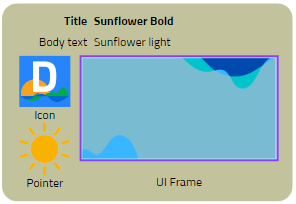
Final Design System
Motivation
Ever since the initial documented outbreak in December 2019, individuals from various nations have been grappling with the ramifications of the pandemic for an extended period. Recent research conducted in Australia has pointed to a surge in depression and anxiety, particularly among the youth in New South Wales (NSW). This study has underscored the strong connection between these mental health challenges and the ongoing pandemic, as reported by Rose in 2022. Over the course of this prolonged ordeal, white noise has emerged as a valuable tool for alleviating anxiety. Examples of such soothing sounds, such as the crashing of ocean waves, have been found to effectively stimulate alpha brain waves, inducing a state of relaxation, as documented by Brown in 2021.
VR Meditation
Considerable research suggests that the incorporation of virtual reality (VR) alongside conventional relaxation techniques can enhance sleep quality, as noted by Mileva in 2021. One notable study applied VR as a sleep aid for teenagers, demonstrating its effectiveness in improving sleep, regardless of whether the individuals had preexisting sleep issues like insomnia symptoms. Furthermore, research in Korea has revealed the positive impact of VR meditation on the sleep quality of intensive care patients.
The market currently offers a range of VR meditation products. In addition to VR meditation videos available on platforms like YouTube, individuals also engage with VR meditation applications such as Tripp and Guided Meditation VR. These apps' versatility enhances user enjoyment by providing diverse virtual environments to explore. Nevertheless, it's worth noting that both Tripp and Guided Meditation VR necessitate specific VR headsets for operation. Consequently, there exists an untapped market opportunity to employ budget-friendly options like Google Cardboard, enabling more people to experience VR meditation and enhance their overall health and well-being.
However, it's essential to acknowledge that while wearing a VR headset encourages greater concentration, there's room for improvement within these VR applications, as highlighted by Wu in 2022. If the digital design and user experience fail to meet high standards, individuals may struggle to engage in prolonged meditation sessions within the digital realm.
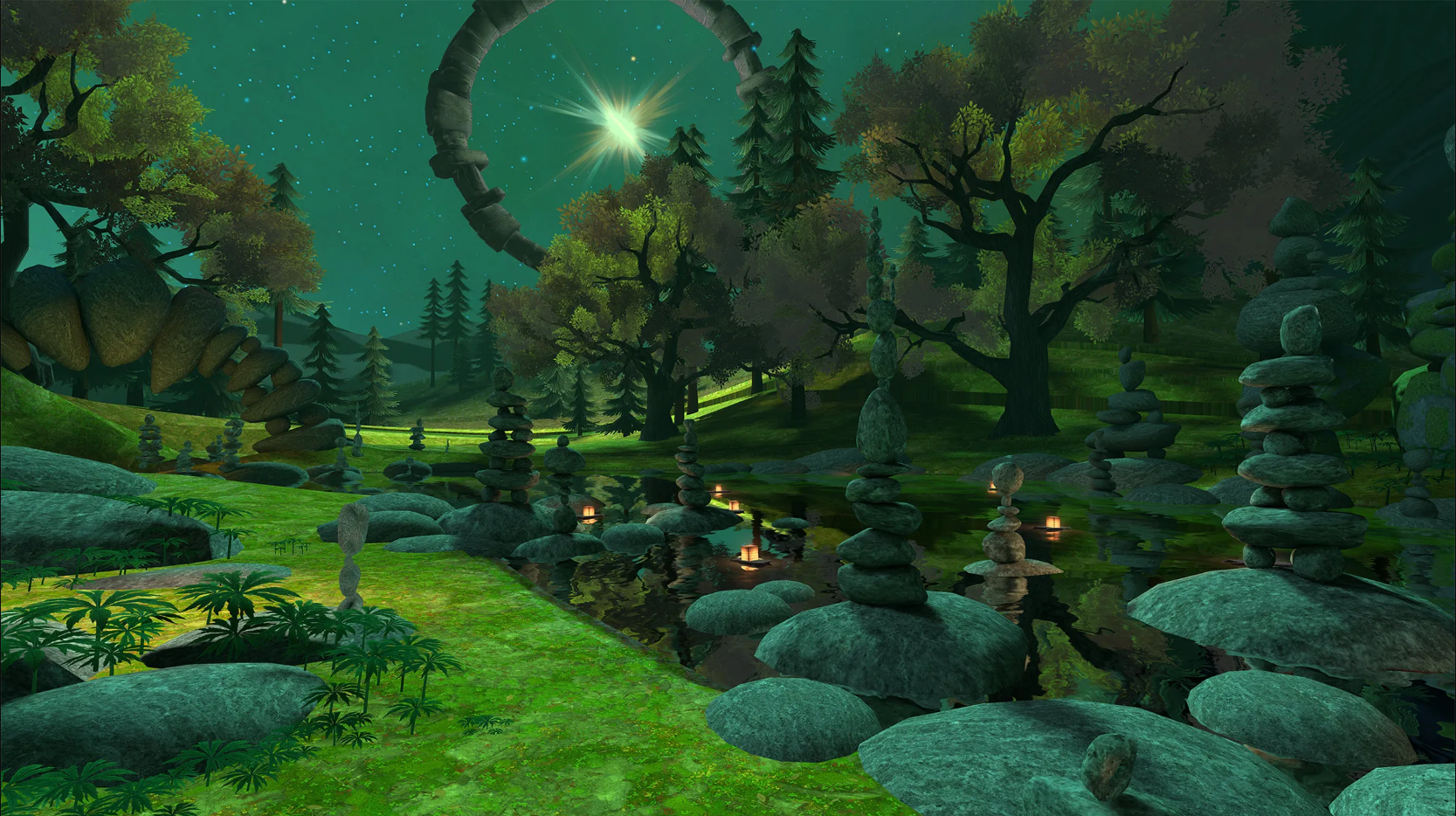
Tripp
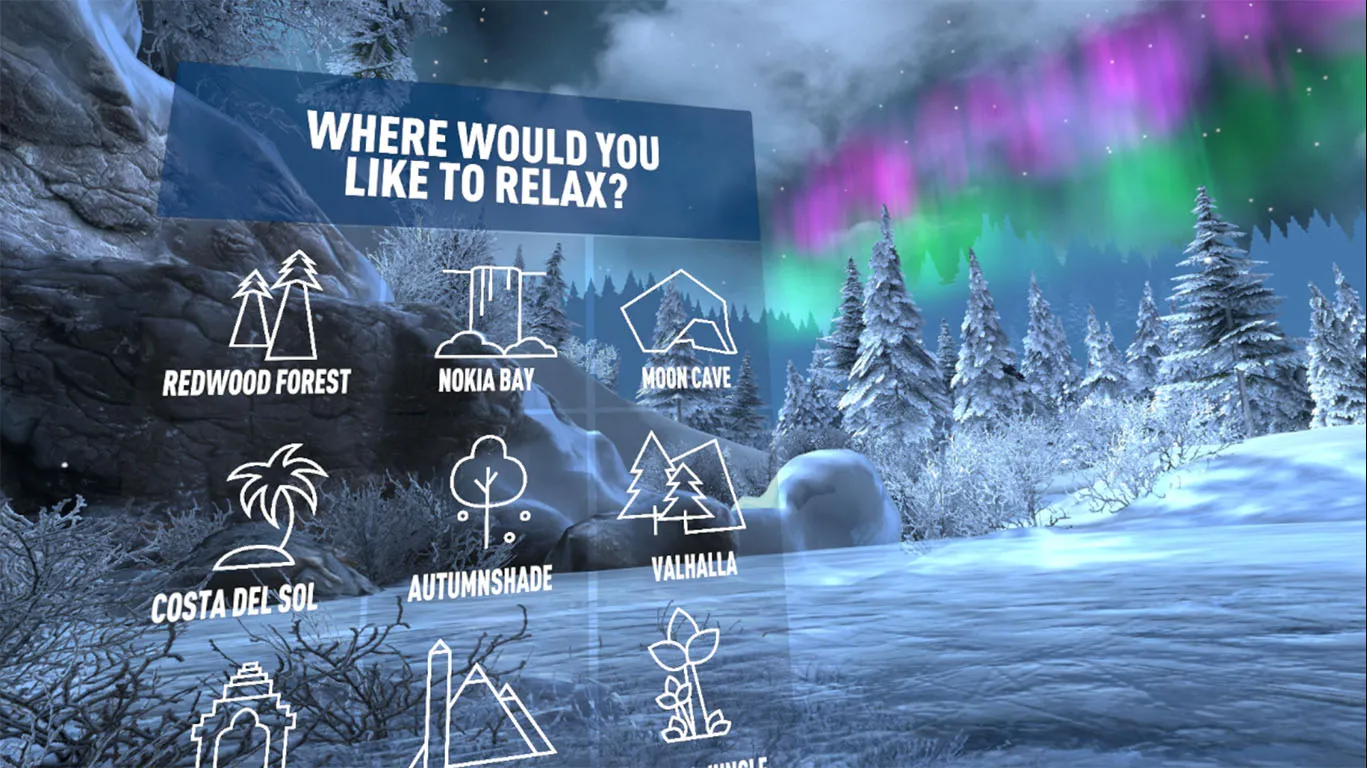
Guided Meditation VR
User Research and Storyboard
Questionnaire
After the initial research on white noise, VR meditation, and anxiety issues in NSW. A questionnaire was developed to collect the general attitude toward VR and meditation from people living in NSW. There are 29 respondents to the questionnaire.
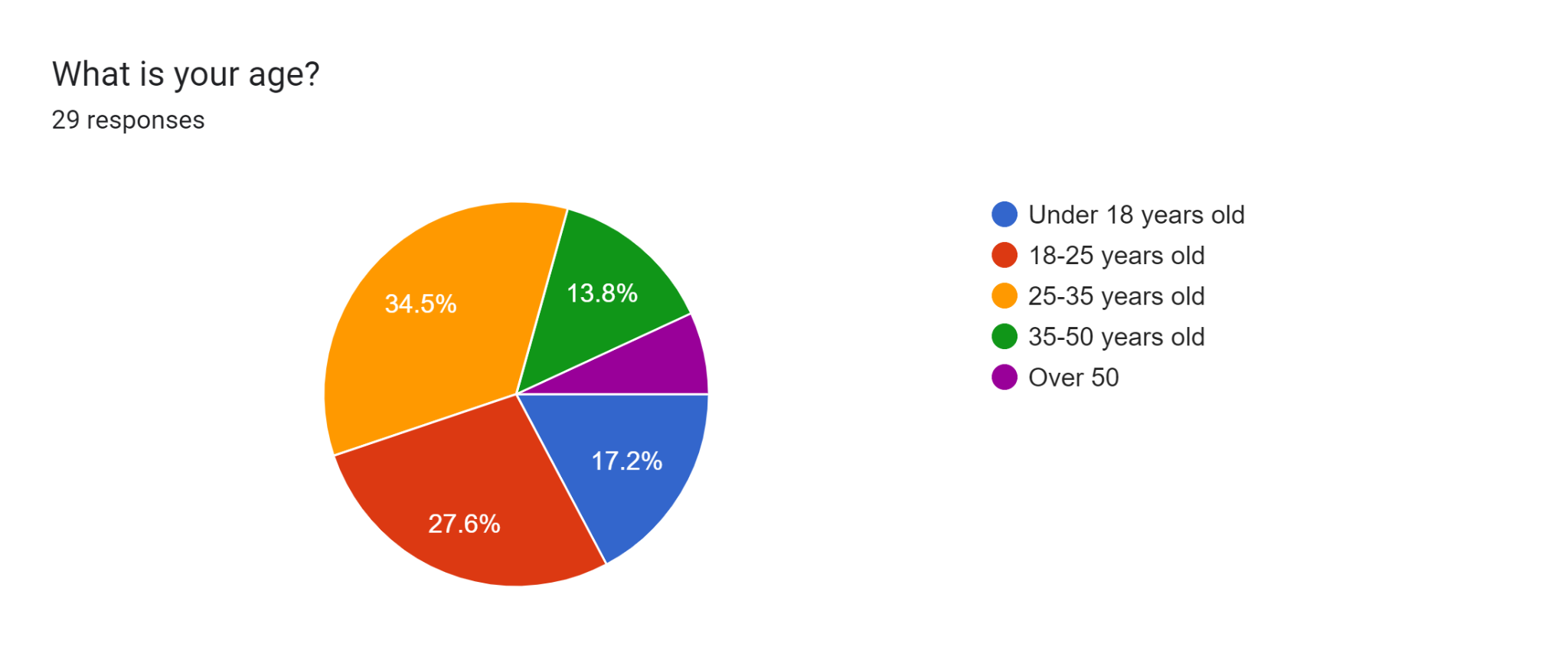
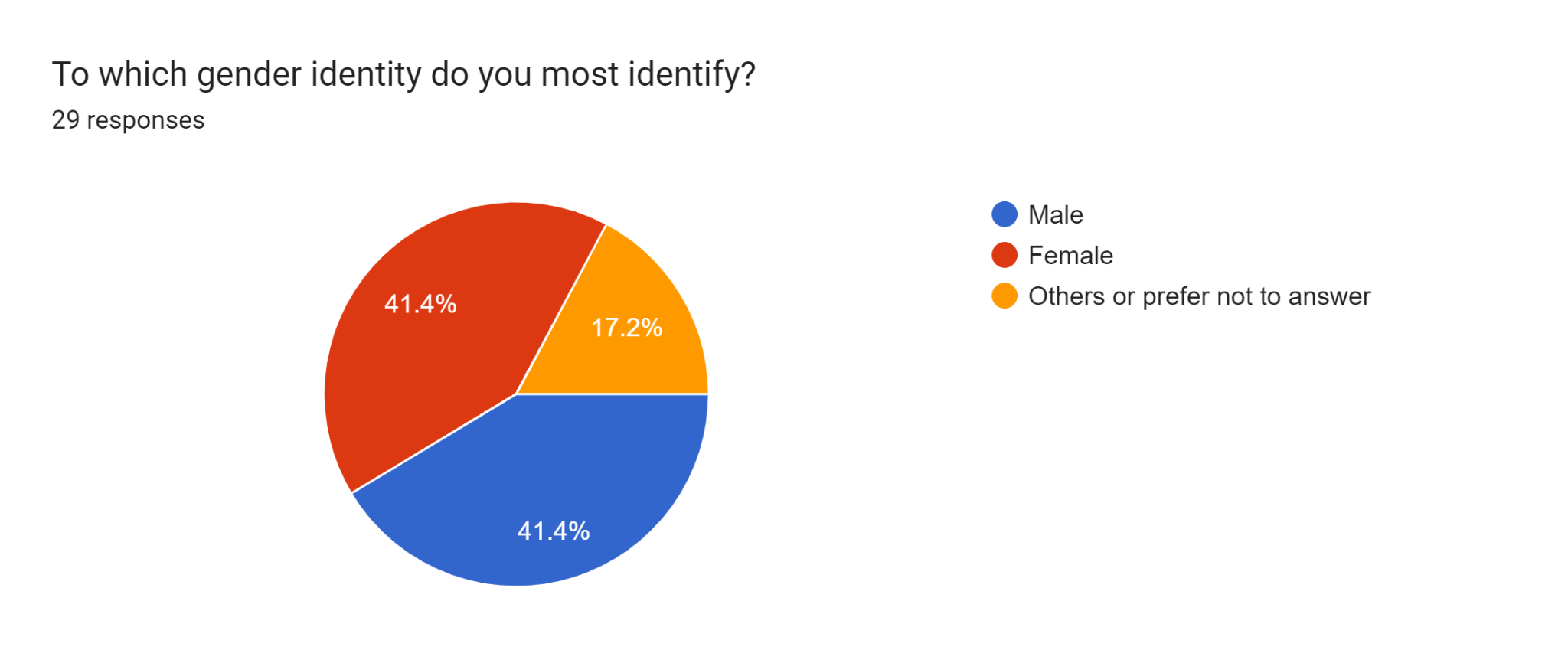


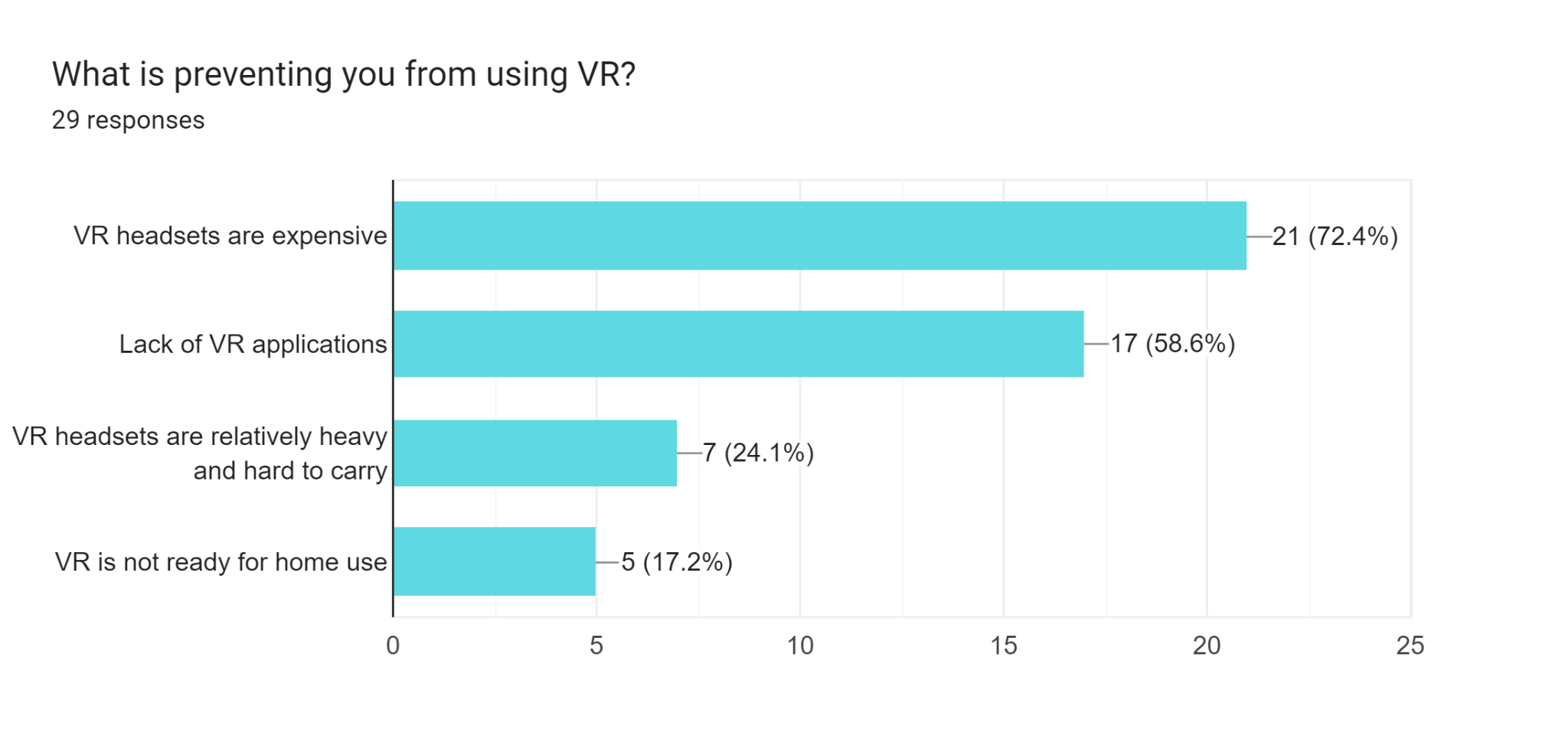
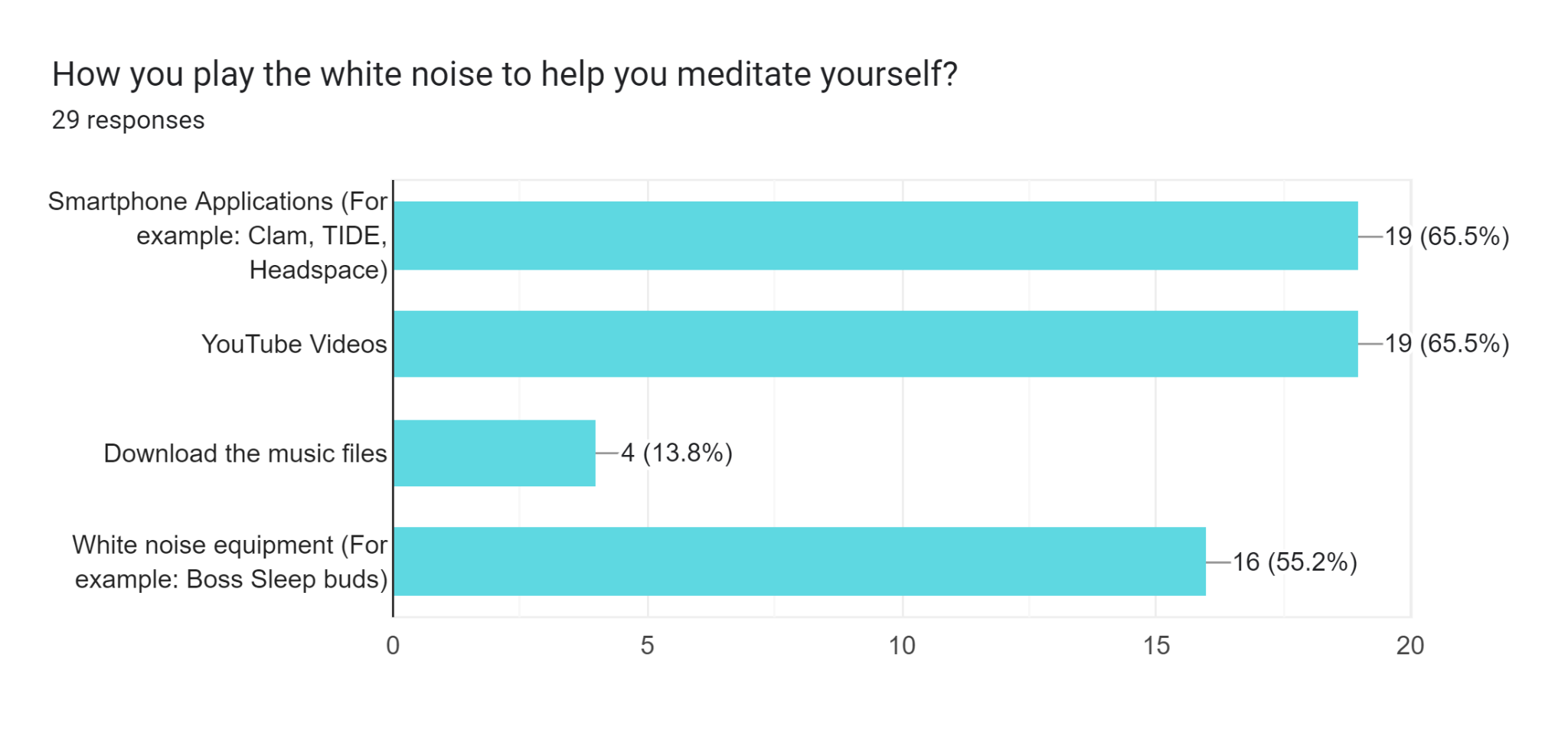
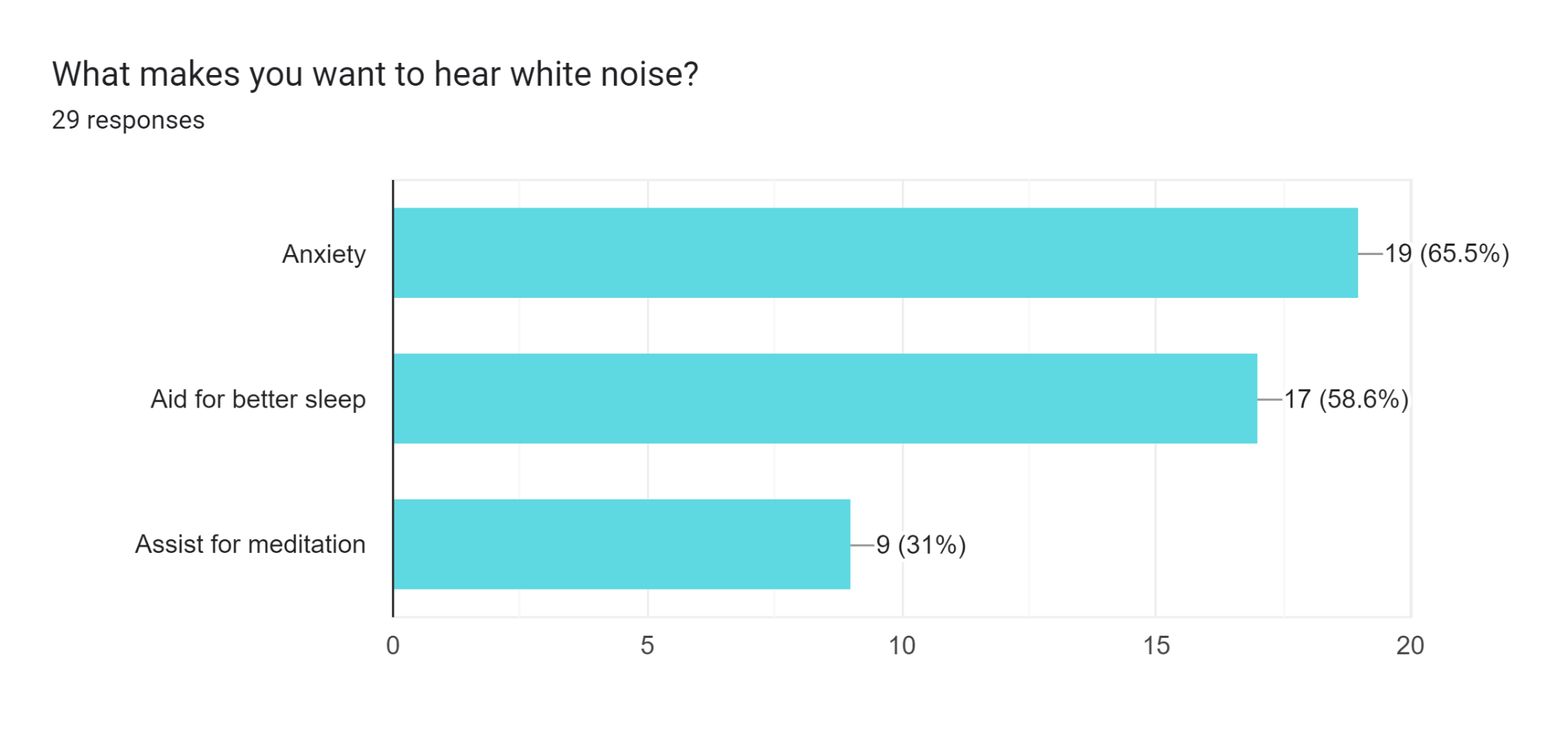
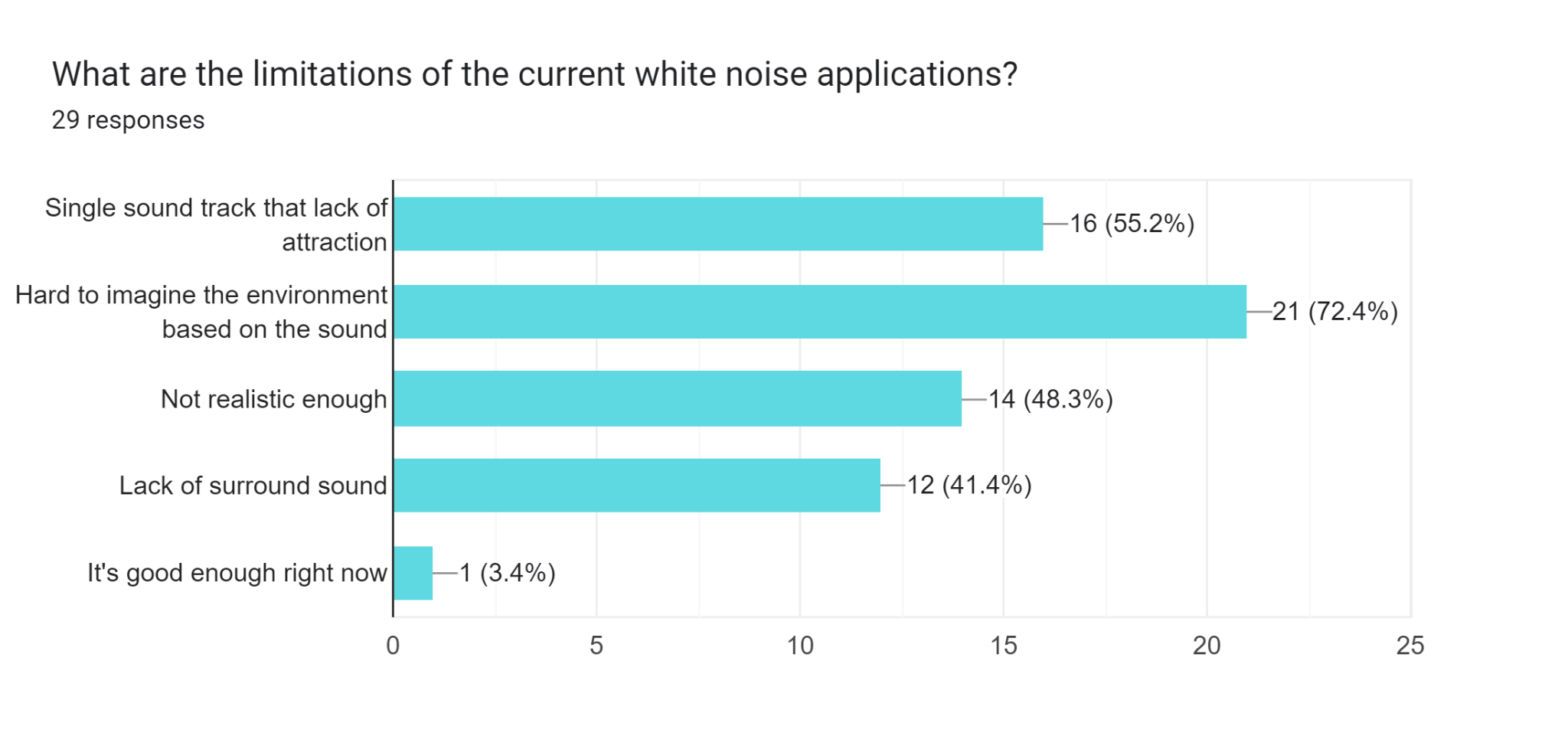
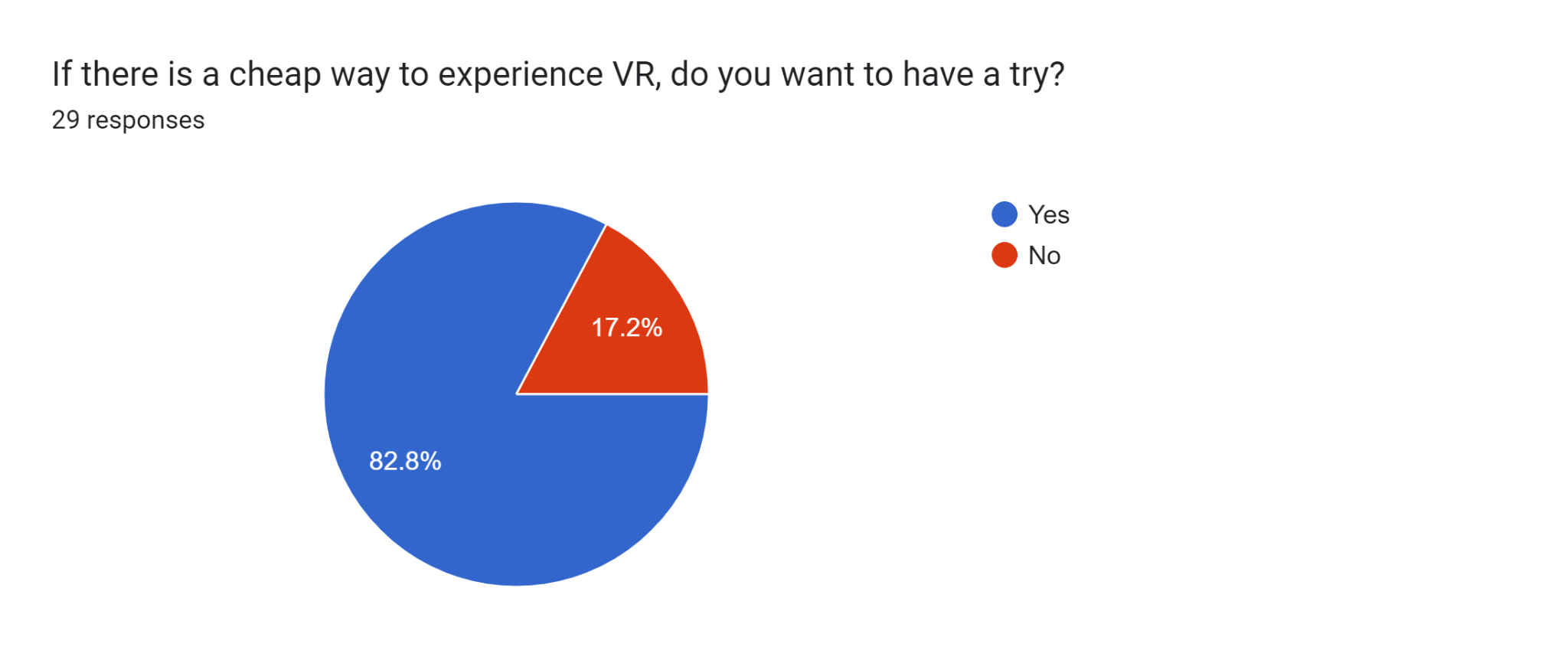
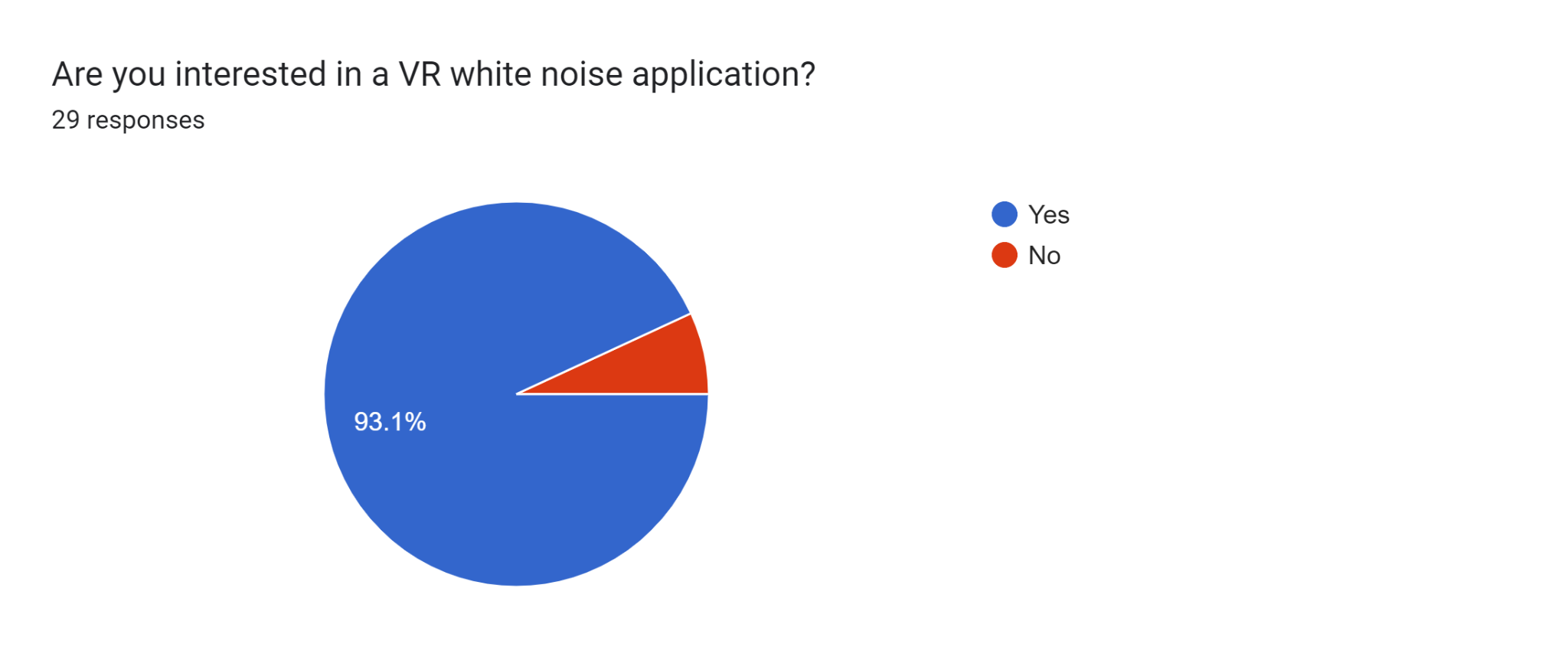
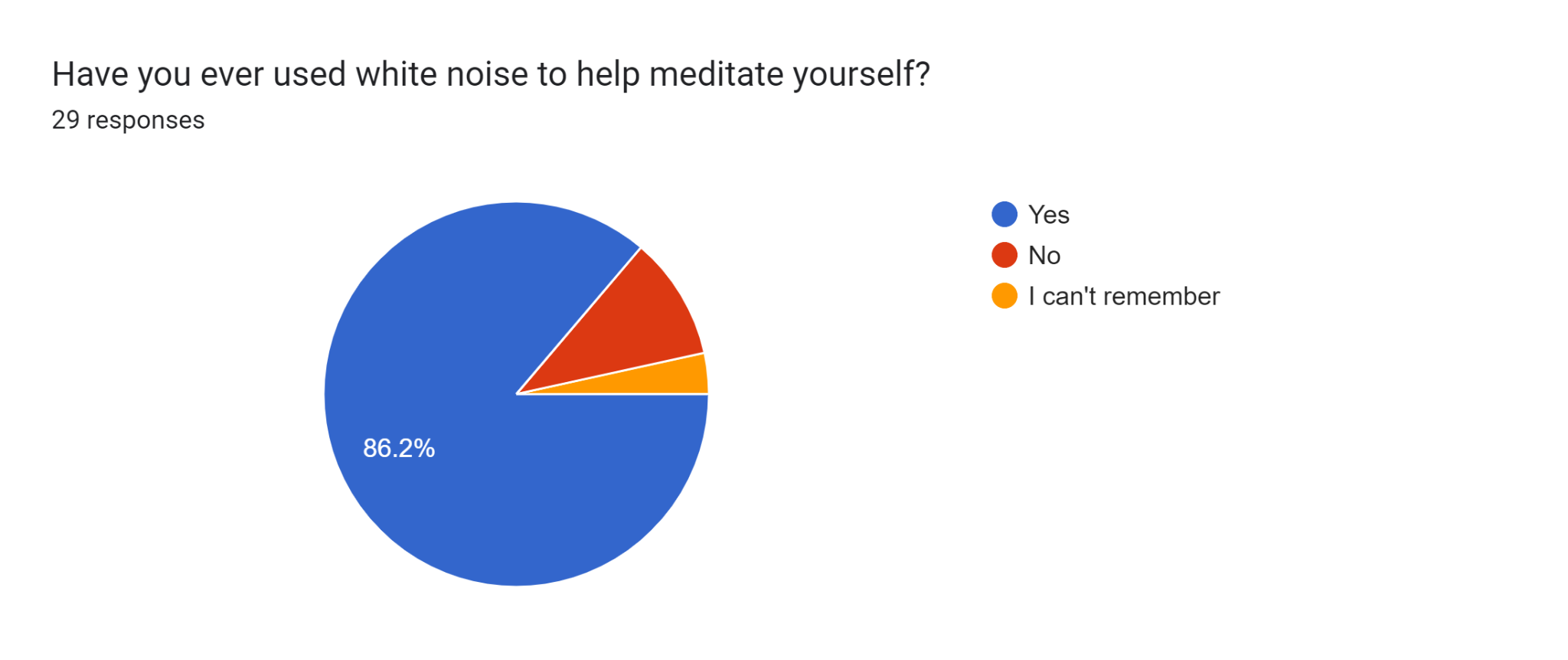
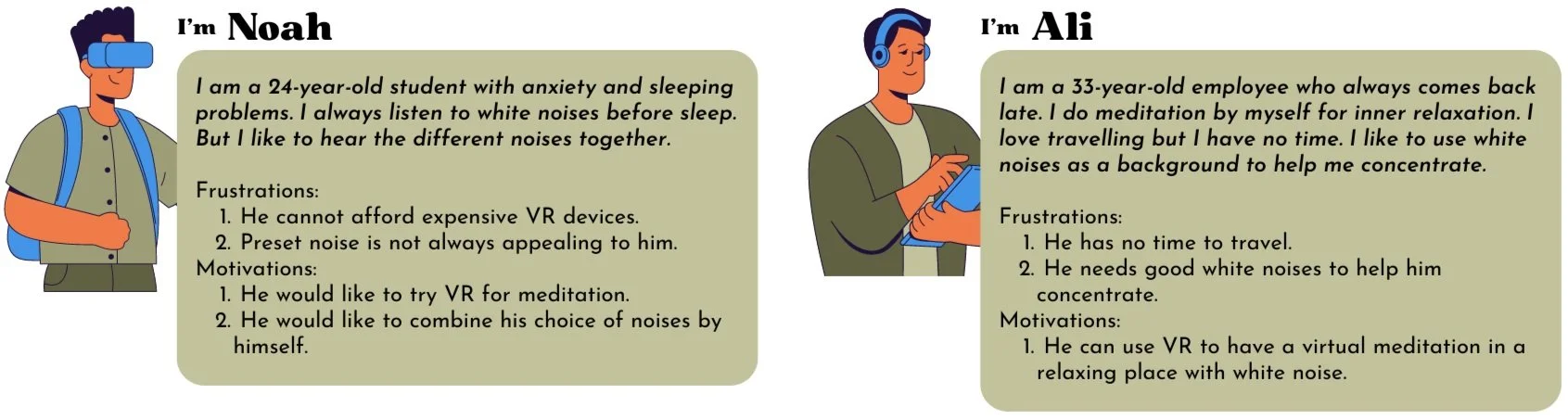
With the data from user research, two personas are created to present the focus group for the product.
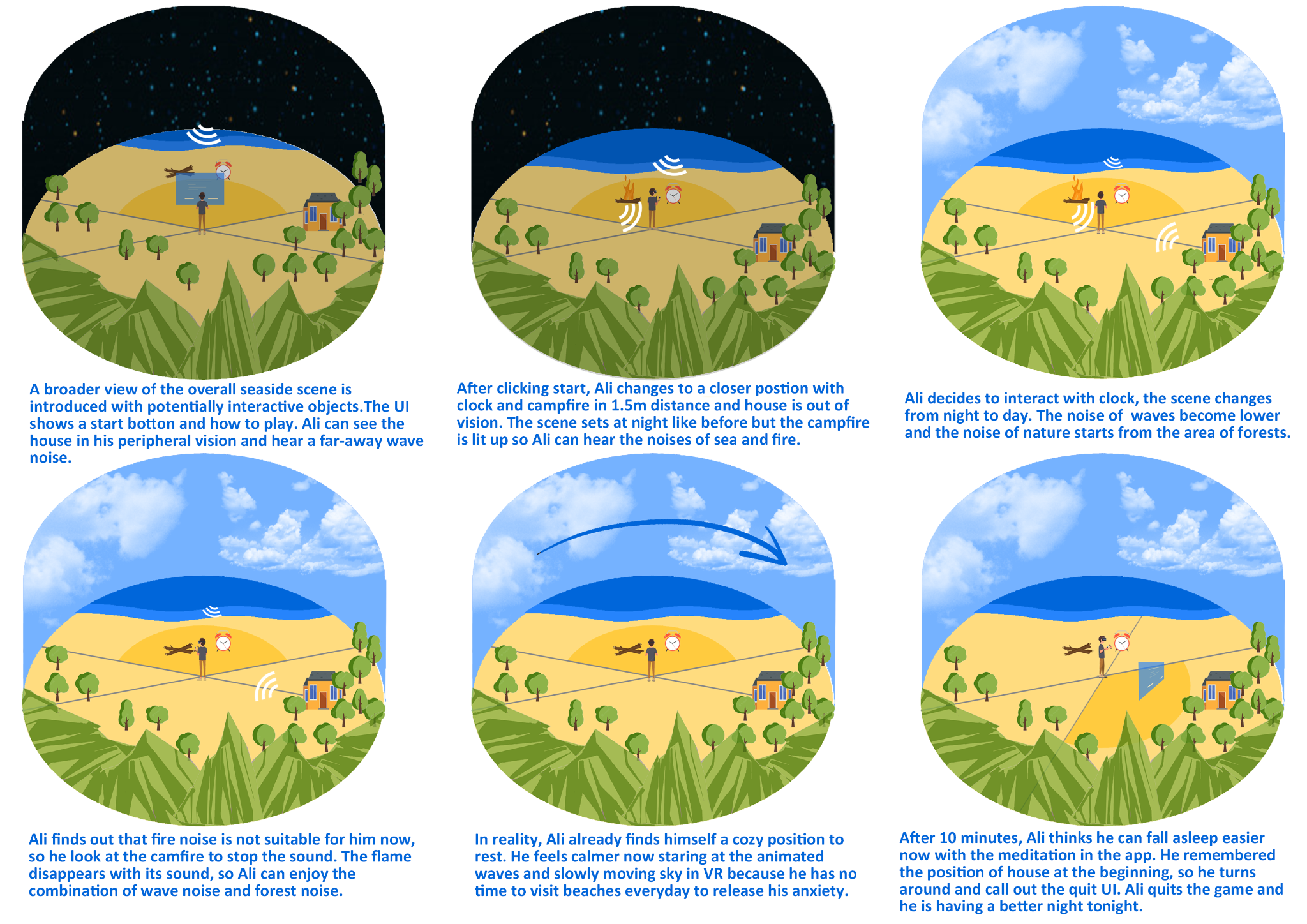
The storyboard is illustrated based on the persona Ali as a reference to design the experience of the product.
User Testing
Overview
Three rounds of testing have been conducted during the iterations of this VR prototype for a better meditation experience. Three participants were included to test the prototypes. They are two females from the 18-25 age group and one male from the 25-35 age group. At the beginning of each round of testing, participants are encouraged to imagine their own scenario of meditating with the products. After participants finished using the prototypes, they were invited to share their feedback via different testing methodologies.
Testing 1
In the first round of user testing, a testing environment was provided with a 360 sketch prototype viewed in Ricoh Theta and multiple audio players to present different audio sources (Figure 6). Participants controlled the volume of the sound by the slider on the campfire. When participants tried to play with the volume slider, audio players gave the responses in volume changes. During the experience, users were asked to think aloud with some questions:
Do you think you are mediated or feeling calm down after using the prototype?
What do you like most about the prototype?
What do you think needs improvement?
All users agreed that they were more engaged in the scene with the combination of different white noises. They are more relaxed after a certain time of using the prototype. All three participants liked the provided scene and the combination of sounds. However, two participants pointed out that the volume changes are not obvious in the combination and are less realistic. One participant said that if he can walk around in the scene, he will be less concentrated but more excited. One participant would like to see more changes in sounds and environments, for example, daytime beach.
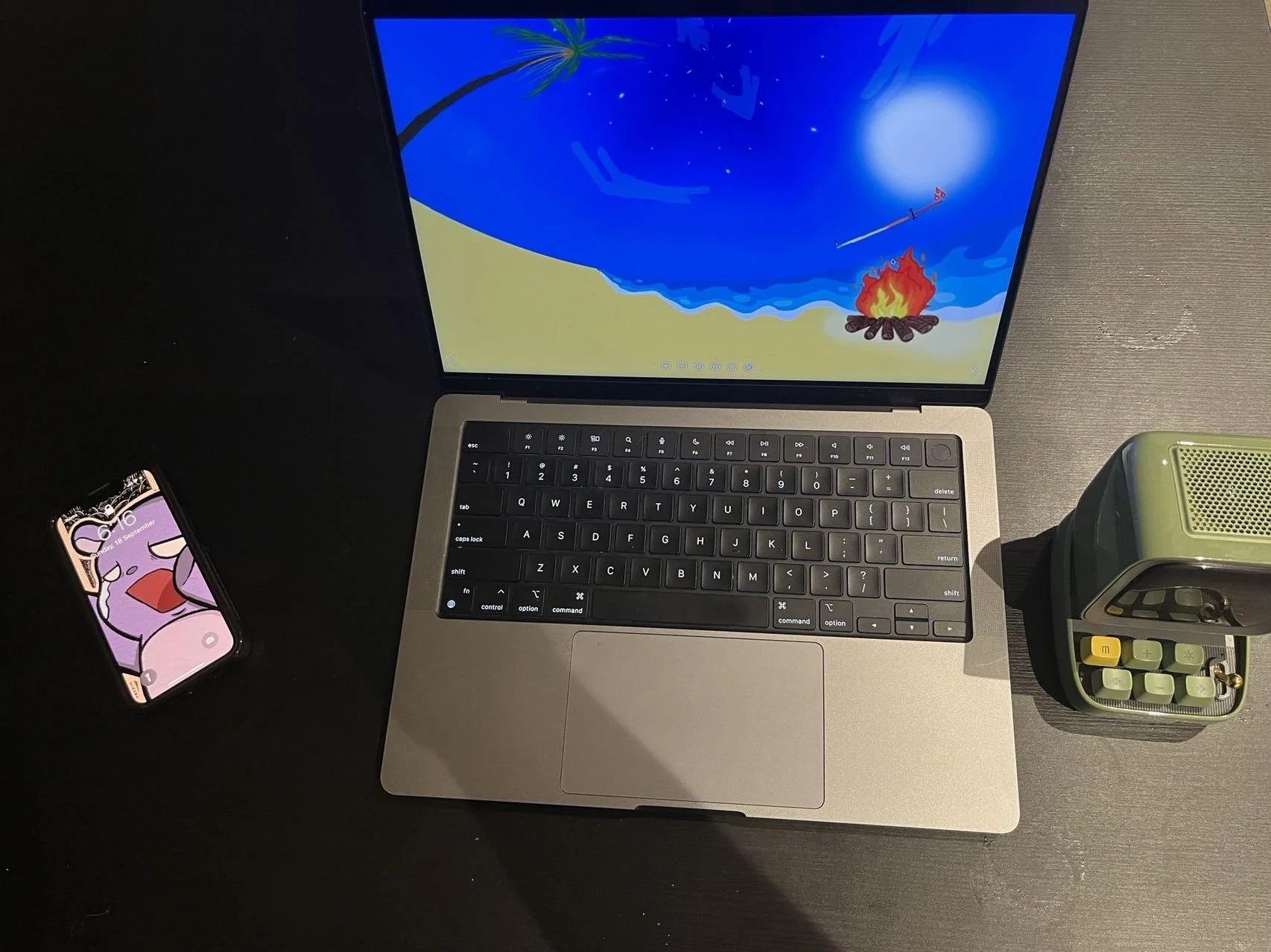
360 sketch prototype in Ricoh Theta and multiple audio players
Testing 2
Users are provided with a digital prototype in Unity on a laptop with earphones (Figure 7). Participants turned on the white noises by gazing at the campfire and alarm clock. During the experience, users were encouraged to think aloud with the same questions.
All users agreed that this iteration is more meditating than before. The outcome of new interactions is more obvious and appealing than the last one. One user said that the entering scene should be more informative about the surroundings to let people understand what is going on. Two users felt that the sound is not feeling spatial.
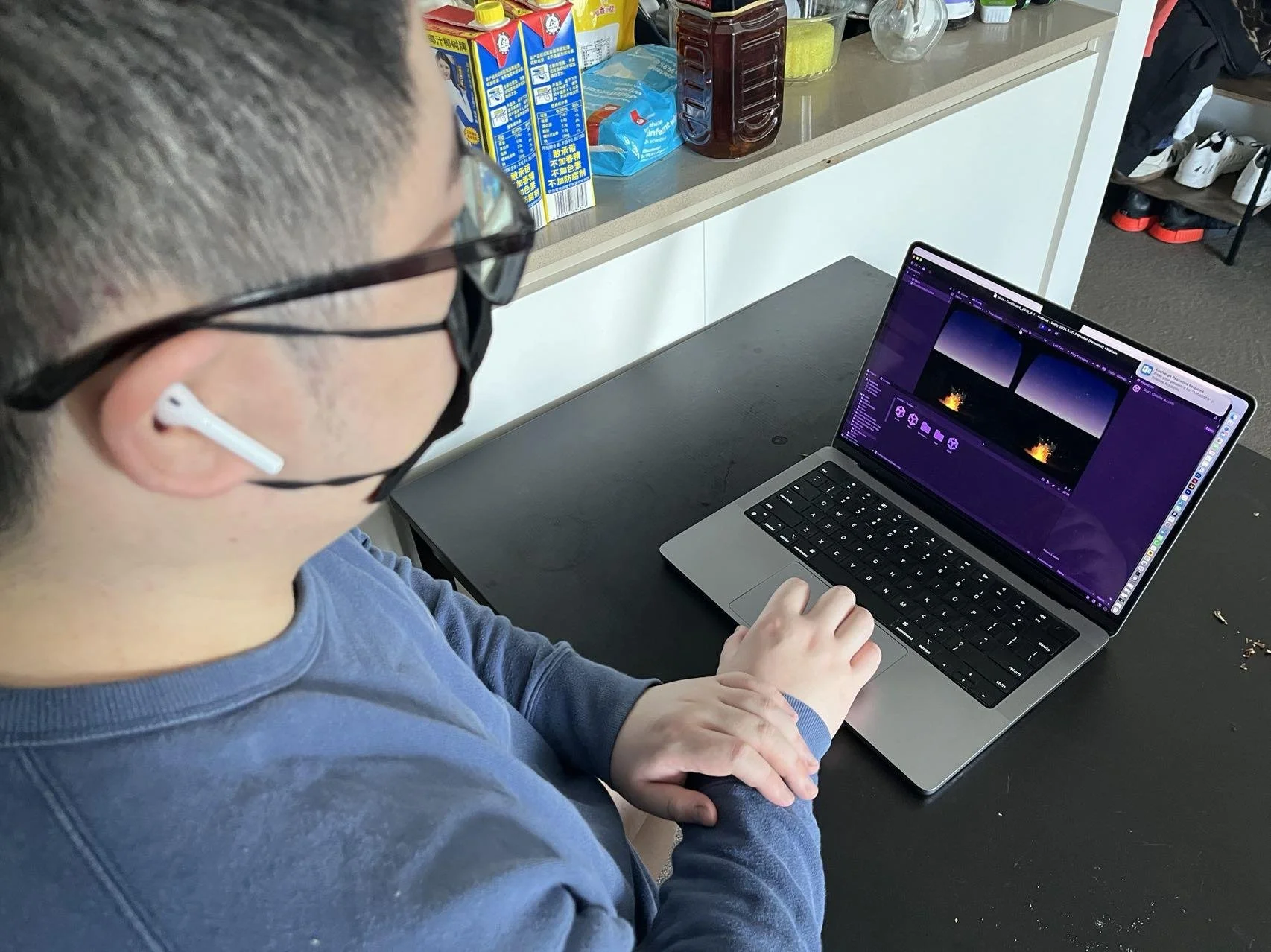
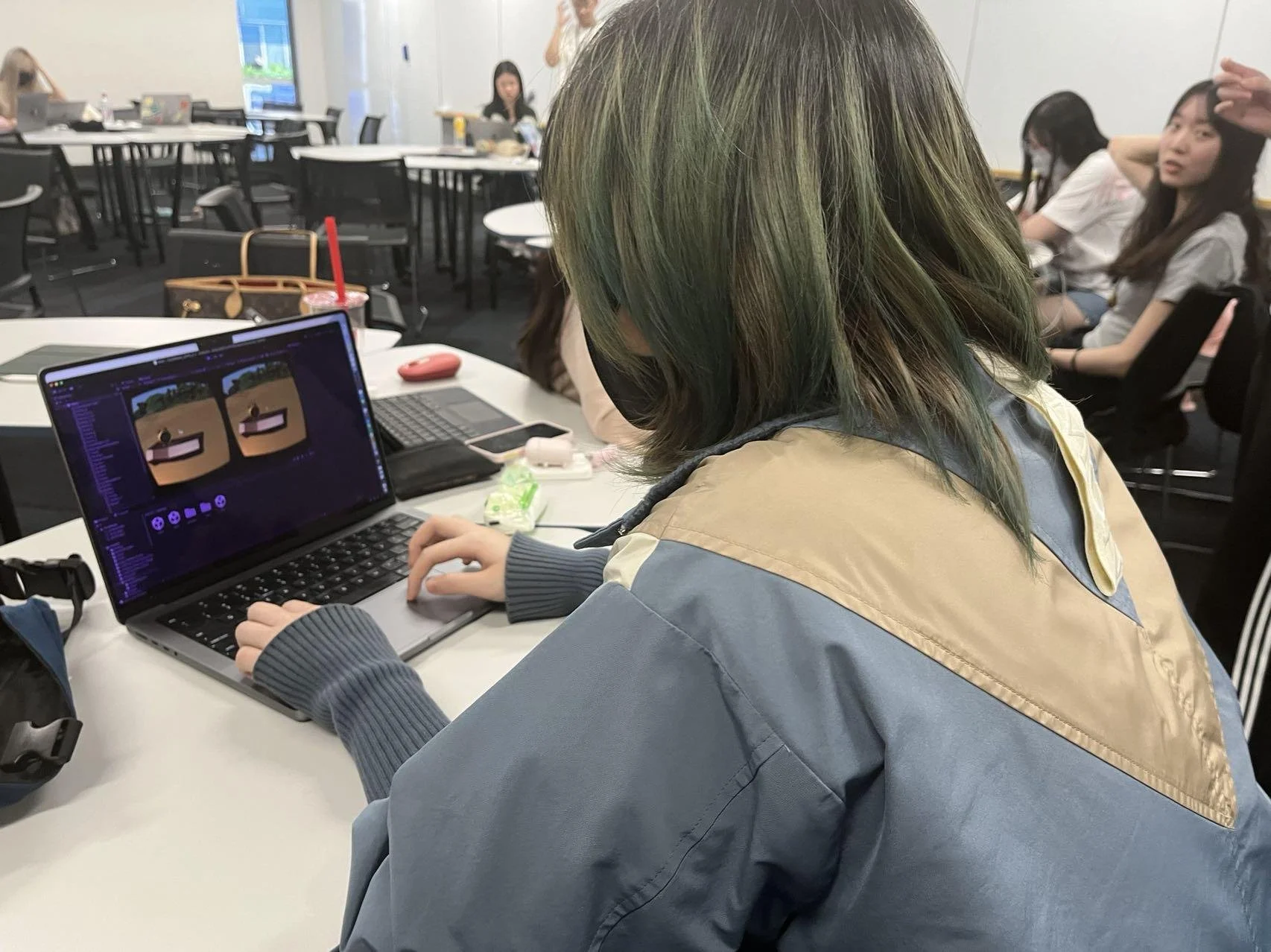

Participants using Unity prototype with wireless headphone
Testing 3
The prototype is downloaded as an Android file operating on an Android device with a Google Cardboard headset (Figure 8). Participants started from a step-back view of the scene with starting screen and experience the meditating process after and they left by the interaction with the house in the application. During the experience, users were encouraged to think aloud with the new questions:
Do you experience any eye strain and dizziness during the usage of this product?
Do you think you are mediated or feeling calm down after using the prototype?
Do you think this iteration solves the problems from the last iteration?
What do you think can be the future development?
All users agreed that this iteration is more informative than before. The white noises are more spatial and immersive. All users are happy with the outcome and feel more peaceful, one user with sleeping issues said that he felt calm down and asleep after using this prototype. One person suggested that it would be better if there is another scene with different noise combinations. No user experienced eye strain and dizziness.
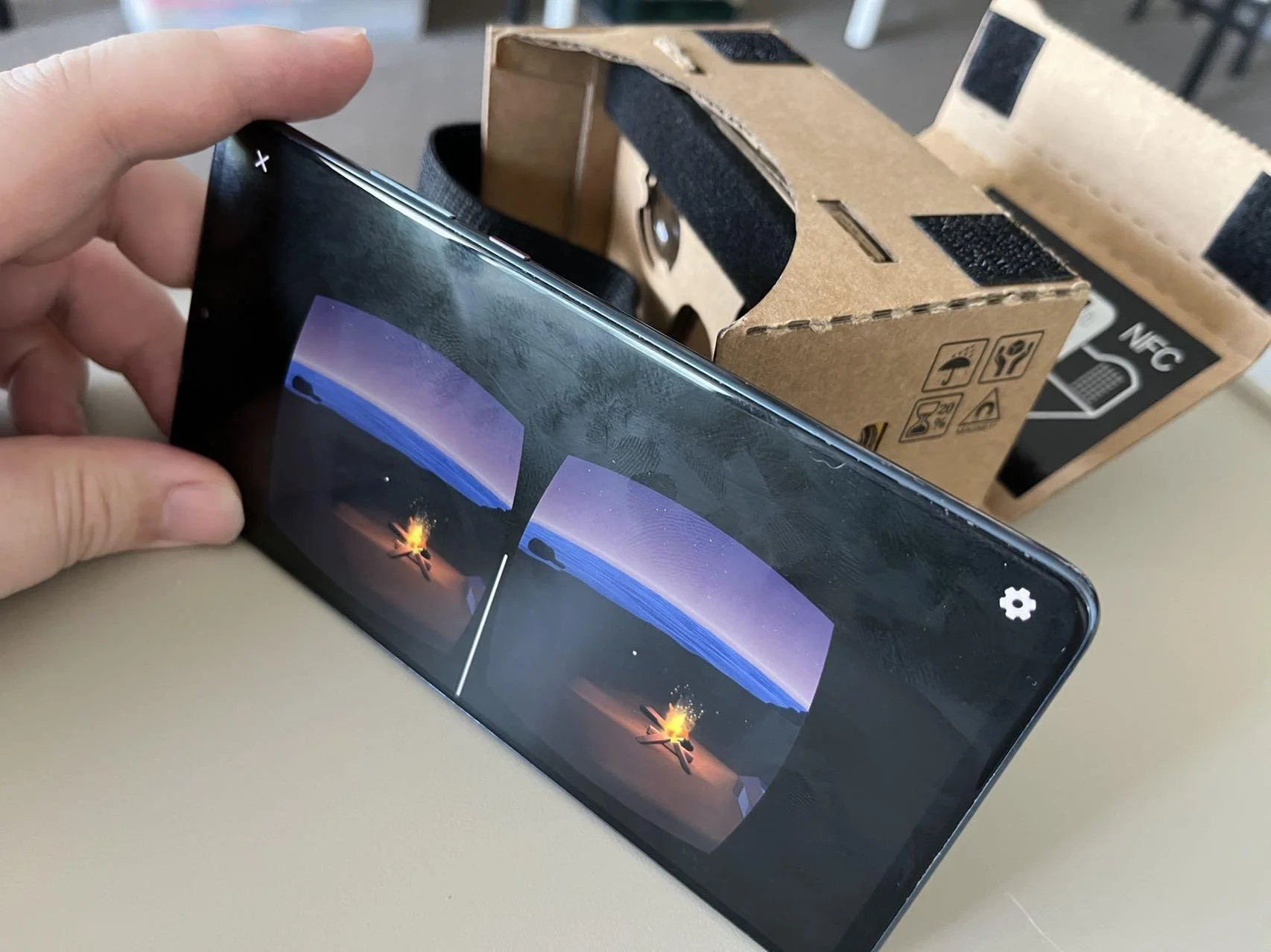
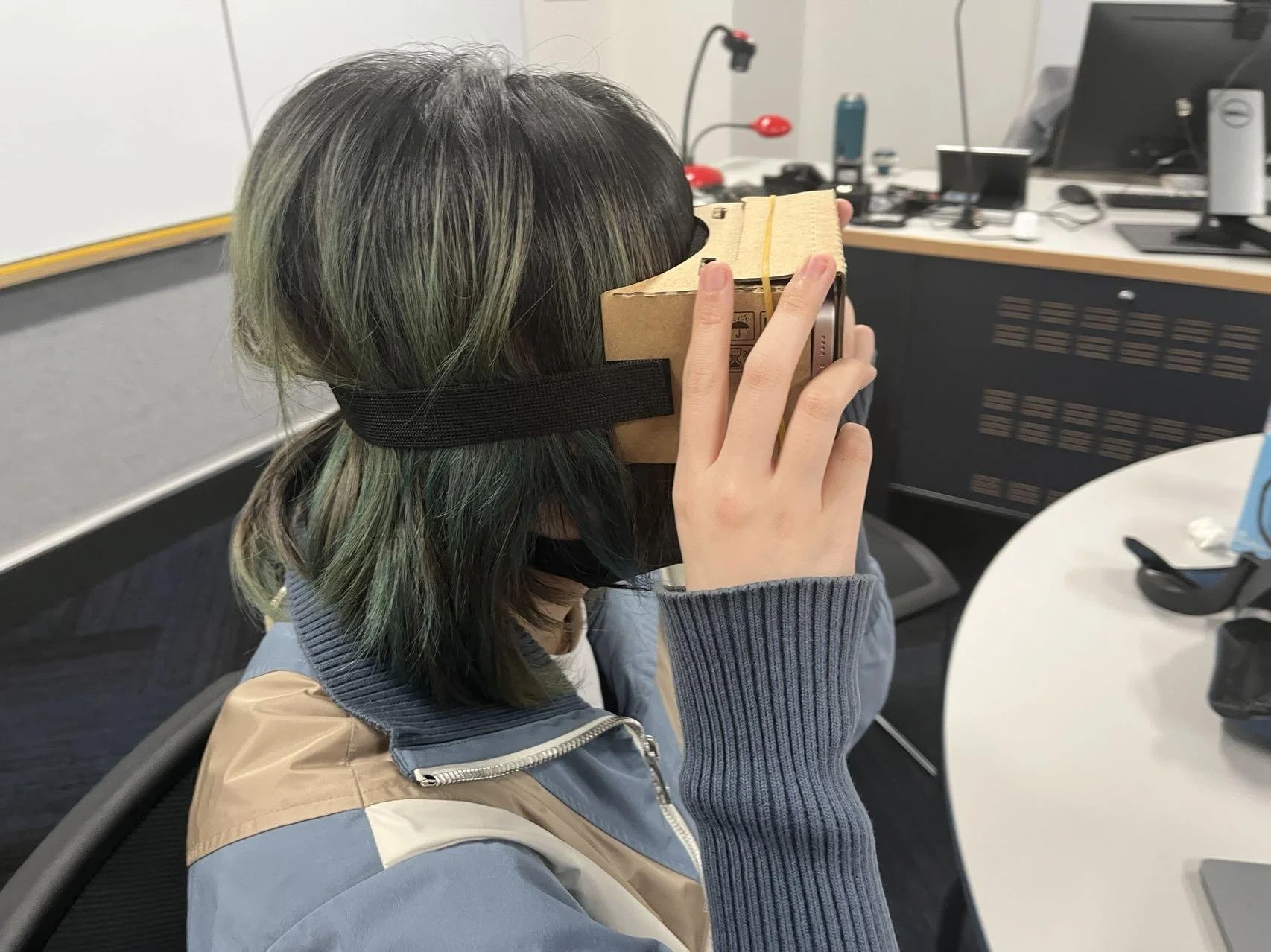
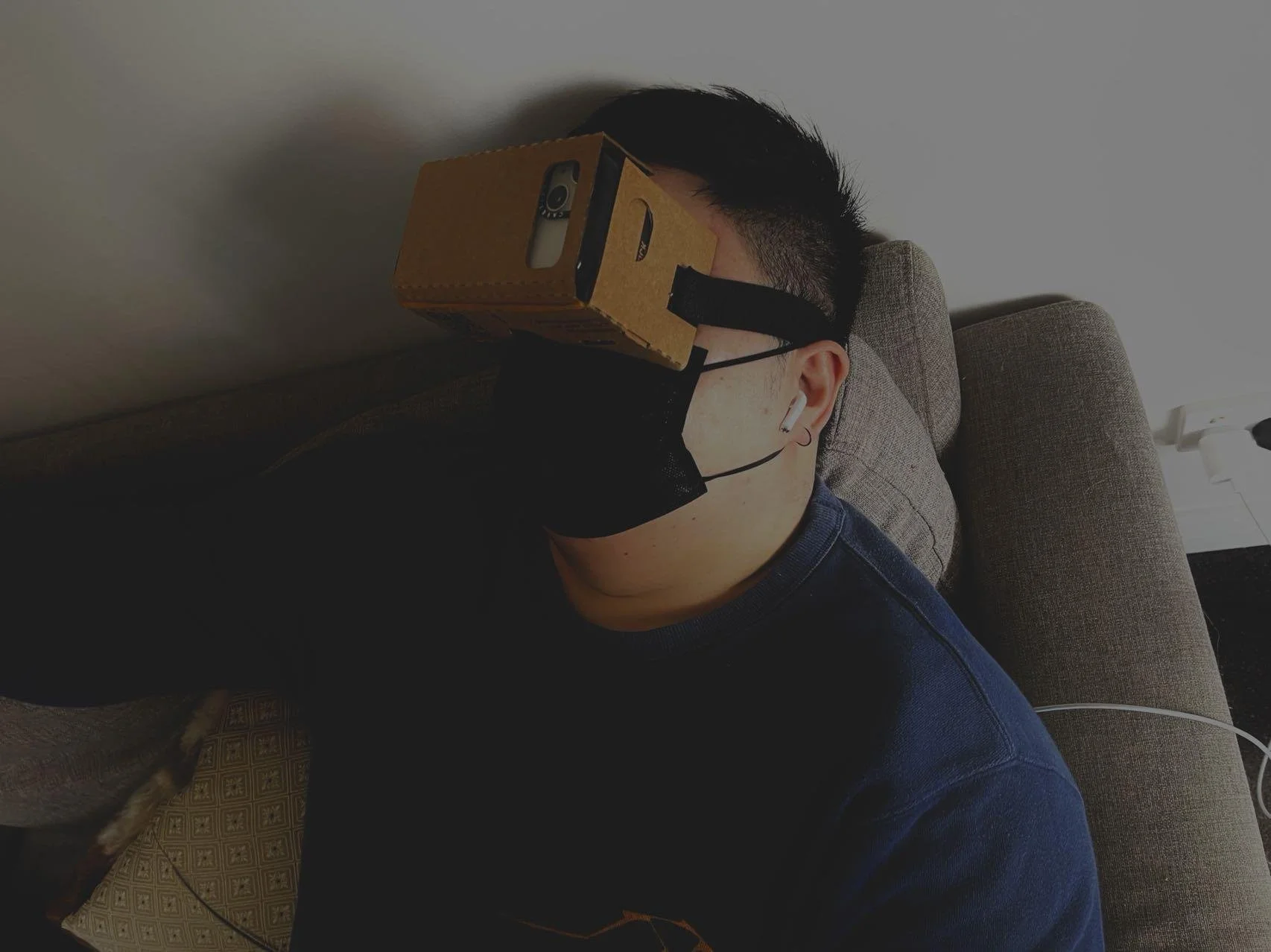
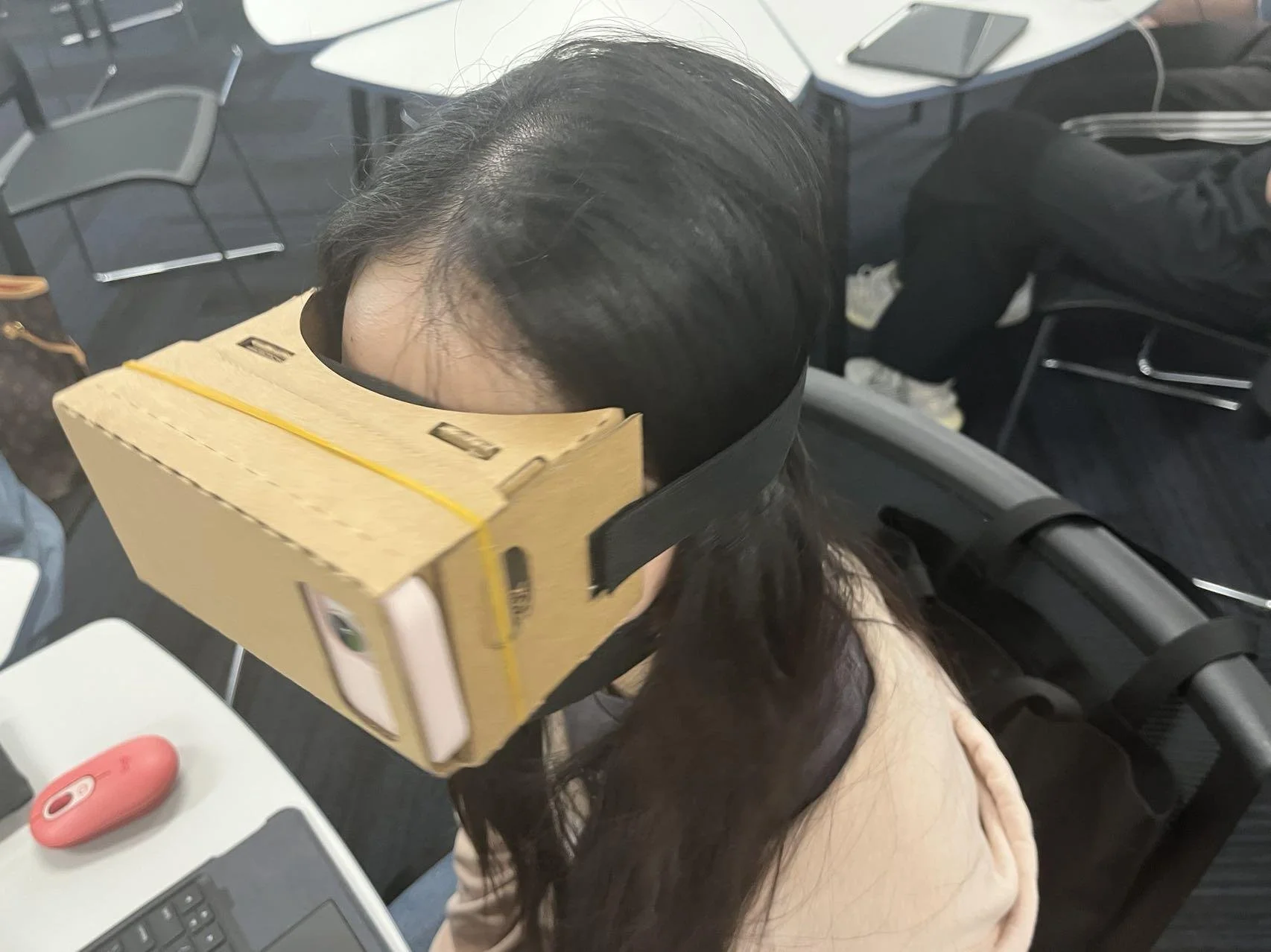
Participants using Google Cardboard prototype
Summary
Background research from global to local NSW and Personas from user research help to scope down the focus group. The 3D storyboarding of Persona helps relate the target audience to the prototype in the design process. Three rounds of user testing are conducted with the same 3 participants to keep track of the solution iterations and usability of the prototype. After user testing, the current product generally meets the goal and is designed based on Google VR design guidelines with no lag or dizziness. With this product, users are able to find a cheaper VR solution to start their meditation with multiple white noises immersively through easy interactions. They can adjust their own combination of noise and start a joyful meditation. However, a universal meditation VR product that suits everybody's tastes is not possible, Dreamscape can be an addition to current meditating practice for an immersive experience.
Future work
As for the research parts, following the double diamond design principle, I will get more questionnaire responses to get the quantitive user data. After that, I will conduct the interviews based on these bigger data to get qualitative user data. In this way, I can reshape the focus group to see if the design is going on with the right user references.
As for design parts, I will also add different scenes with different combinations of sounds. For example, a warm interior with the white noise of fire, cats, and rain. The main interaction would be similar, but I should think about how to let users select or transport from different scenes.
Finally, I should also think about another kind of interaction of skybox changes. Currently, I use the code to change the ambient light and skybox. But if there is only one skybox slowly rotating and changing the day and night in one skybox, the experience can be more immersive. However, this should also be conducted with more user testing to see whether it will cause dizziness or not.